
Emergency Loan Options When Your Furnace or AC Breaks
Compare emergency loan options when your furnace or AC breaks and get funds fast to cover repairs without overborrowing.

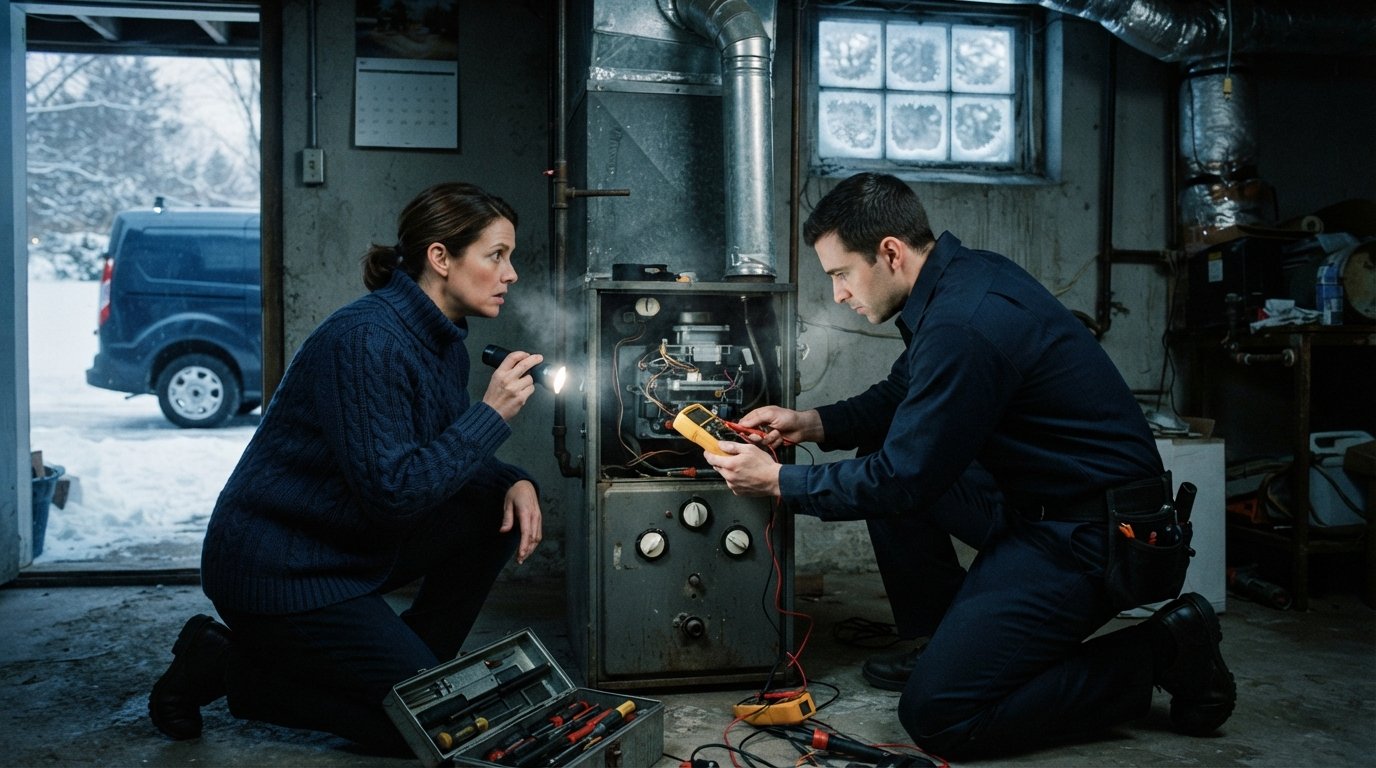
The furnace dies on the coldest night of January, or the air conditioner quits during a July heat wave. Either way, you are facing a home repair that cannot wait, and the cost can run into the thousands. When your HVAC system fails, you need a plan that gets it fixed fast without wrecking your budget. Emergency loan options when your furnace or AC breaks can bridge the gap, but only if you choose the right one. This guide walks you through typical repair costs, how to pick a loan amount, where to find fast funding, and what to do while you wait for money to arrive.
How Much HVAC Repairs and Replacements Really Cost
Before you shop for a loan, you need a realistic number. HVAC costs vary widely by region, system type, and the scope of the work. A simple repair, such as replacing a blower motor or a capacitor, might cost a few hundred dollars. A full system replacement, including labor and new equipment, can easily exceed $10,000. The table below gives you a rough range for common situations, based on national averages from contractor surveys and industry data.
- Furnace repair (ignitor, control board, blower): $250 to $800
- AC repair (refrigerant recharge, compressor, fan motor): $300 to $1,200
- Furnace replacement (standard efficiency): $3,500 to $7,000
- AC replacement (central air, including installation): $4,000 to $8,000
- Full HVAC system replacement (furnace and AC): $7,000 to $12,000 or more
These numbers are not set in stone. Emergency calls, after-hours visits, and complex installations can push costs higher. Your contractor should provide a written estimate before work begins. Use that estimate to decide how much to borrow. Borrowing more than the repair costs means paying interest on money you do not need, while borrowing too little leaves you short when the bill comes due. A good rule is to borrow the estimate plus a 10 to 15 percent buffer for unexpected parts or labor.
If you are unsure whether your situation qualifies as an emergency, think about safety and habitability. A broken furnace in freezing temperatures or an AC failure during extreme heat can be dangerous, especially for children, older adults, or anyone with health conditions. In those cases, speed matters more than saving a few dollars on interest. For non-urgent repairs, you might have time to compare offers and choose a lower-cost option. Understanding what an emergency loan is and when to use one can help you draw that line clearly.
Fast Funding Options Compared: Loans, Contractor Financing, and Payment Plans
When your furnace or AC breaks, you have three broad ways to pay: emergency loans, contractor financing, and payment plans with the HVAC company. Each has trade-offs in speed, cost, and convenience. Emergency loans from online lenders or loan connection services can deliver funds quickly, often as soon as the next business day. Contractor financing is convenient because you apply through the company doing the work, but approval standards and terms vary widely. Payment plans let you spread the cost over weeks or months, but not every contractor offers them, and they may carry fees or higher prices.
Here is how the main options stack up for a typical homeowner facing a sudden HVAC failure.
- Online emergency loans: Fast application, multiple offers from lenders, funds as soon as the next business day. Rates and terms depend on your credit and income.
- Contractor financing: Convenient, but you are limited to the contractor's lending partners. Approval may be stricter, and promotional rates can expire into high APRs.
- Payment plans with the contractor: No credit check sometimes, but shorter repayment windows and possible service fees. Best for smaller repairs.
- Credit cards: Fast if you have available credit, but high interest rates can make a large repair expensive over time.
- Home equity loans or lines of credit: Lower rates for qualified homeowners, but approval and funding can take weeks, which is too slow for an emergency.
For most homeowners facing a true emergency, an online loan connection service offers the best balance of speed and choice. You submit one request and receive multiple offers from third-party lenders, which lets you compare rates without visiting dozens of websites. That is exactly how StartCashLoan works: it is a free connection service that helps U.S. consumers find short-term and payday loan options through a network of third-party lenders. StartCashLoan is not a lender and does not make credit decisions; any loan terms come directly from the lender. The site also publishes plain-language guides on borrowing and budgeting, which can help you avoid overborrowing.
Contractor financing can be a good fallback if you trust the HVAC company and they offer a promotional rate. Read the fine print: some plans defer interest only if you pay the full balance before the promotional period ends. If you miss that deadline, you could owe interest from the original purchase date at a high rate. Payment plans are best for smaller repairs where you can clear the balance in a few months. For a full system replacement, an emergency loan or a combination of savings and a loan is usually more practical.
How to Choose the Right Loan Amount Without Overborrowing
The biggest mistake homeowners make in an HVAC emergency is borrowing too much. It is easy to panic and accept a large loan because it feels safer, but every extra dollar costs interest. Start with the contractor's written estimate. Add a small buffer for parts or labor that might come up, but do not double the estimate just in case. If the repair is a replacement, ask the contractor whether a repair could buy you a year or two. Sometimes a $600 repair is smarter than a $7,000 replacement when money is tight.
Next, look at your monthly budget. A loan payment should fit comfortably alongside your other obligations. Lenders will tell you the monthly payment, but you need to decide if it works for you. A good rule is to keep total debt payments below 36 percent of your gross monthly income. If the loan payment pushes you over that line, consider a smaller loan, a longer term, or a cheaper repair option. Do not borrow based on the maximum you qualify for; borrow based on what you actually need.
Also think about the loan term. A shorter term means higher monthly payments but less interest overall. A longer term lowers the monthly payment but increases the total cost. For a repair you can pay off in six months, a six-month term is usually best. For a full system replacement, a 12- to 24-month term might be more manageable. Use an online calculator to compare total repayment costs before you commit. And remember that emergency loans are a tool for unexpected expenses, not a long-term financing strategy. If you find yourself relying on them repeatedly, it is worth reviewing your emergency savings plan.
How Fast Can You Get Funds, and What Do Lenders Require?
Speed is the whole point of an emergency loan. Online lenders and connection services can move quickly because they automate application review and verification. In many cases, you can submit a request in under five minutes and receive offers within minutes. If you accept an offer, funds can be deposited into your bank account as soon as the next business day, depending on the lender and your bank's processing times. Some lenders offer same-day funding if you apply early in the day and your bank supports faster deposits, but that is not guaranteed.
To qualify, most lenders want to see a few basics. Requirements vary by lender and loan type, but here is what you should have ready.
- Proof of identity (driver's license, state ID, or passport)
- Active checking account in your name
- Stable source of income (employment, self-employment, government benefits, disability, or pension)
- Contact information and possibly proof of address
- For some loans, a credit check; others may use alternative data
Having these documents ready before you apply speeds up the process. If you have less-than-perfect credit, do not assume you are out of options. Many lenders in the emergency loan space work with borrowers who have past credit challenges, as long as they can show steady income and a bank account. That said, bad credit often means higher rates and fees, so compare offers carefully. And be honest on your application: inaccurate information can delay funding or lead to a denial.
One more thing to check: whether the lender reports to credit bureaus. On-time payments can help build your credit, while late payments can hurt it. Ask about reporting policies before you sign. If you are comparing multiple offers, pay attention to the APR, not just the monthly payment. A low monthly payment over a long term can hide a high total cost. The best emergency loan is one you can repay comfortably and on time.
Emergency Steps to Take While You Wait for Funding
While your loan application is processing, you still have a broken HVAC system and a home to keep safe. Take these steps to protect your family and your property until the repair is complete. First, if the furnace is out in cold weather, prevent pipes from freezing by keeping cabinet doors open under sinks, letting faucets drip slightly, and using space heaters safely with clearance from flammable materials. Never use a gas oven or stovetop as a heat source. If the AC is out in extreme heat, close blinds during the day, use fans to circulate air, and consider staying with a friend or family member if indoor temperatures become dangerous.
Second, call a reputable HVAC contractor and get a written estimate. Ask about emergency service fees and whether the company offers any financing or payment plans. Getting the estimate early means you know exactly how much to borrow. Third, document everything: the date the system failed, the contractor's diagnosis, and the estimate. If your homeowner's insurance covers any part of the repair (some policies cover sudden damage, though normal wear and tear is usually excluded), you will need that documentation for a claim.
Fourth, avoid making the problem worse. Do not attempt complex DIY repairs on a furnace or AC system unless you are qualified; you could void warranties or create safety hazards. For simple fixes like a clogged filter or a tripped breaker, check those first, but leave refrigerant, electrical components, and gas lines to the professionals. Finally, communicate with your lender if you anticipate any delay in repayment. Most lenders would rather work with you than see you default. A quick call can sometimes arrange a modified due date or payment plan.
An HVAC failure is stressful, but it is manageable with the right funding and a clear plan. Compare emergency loan options when your furnace or AC breaks, borrow only what you need, and keep safety first while you wait for funds. With a written estimate in hand and a repayment plan that fits your budget, you can get your home comfortable again without turning a repair into a financial crisis.