
How to Cover an Urgent Home Plumbing Repair With a Loan
Learn how to cover an urgent home plumbing repair with a loan, compare short-term advances and personal loans, and get next-business-day funding options.

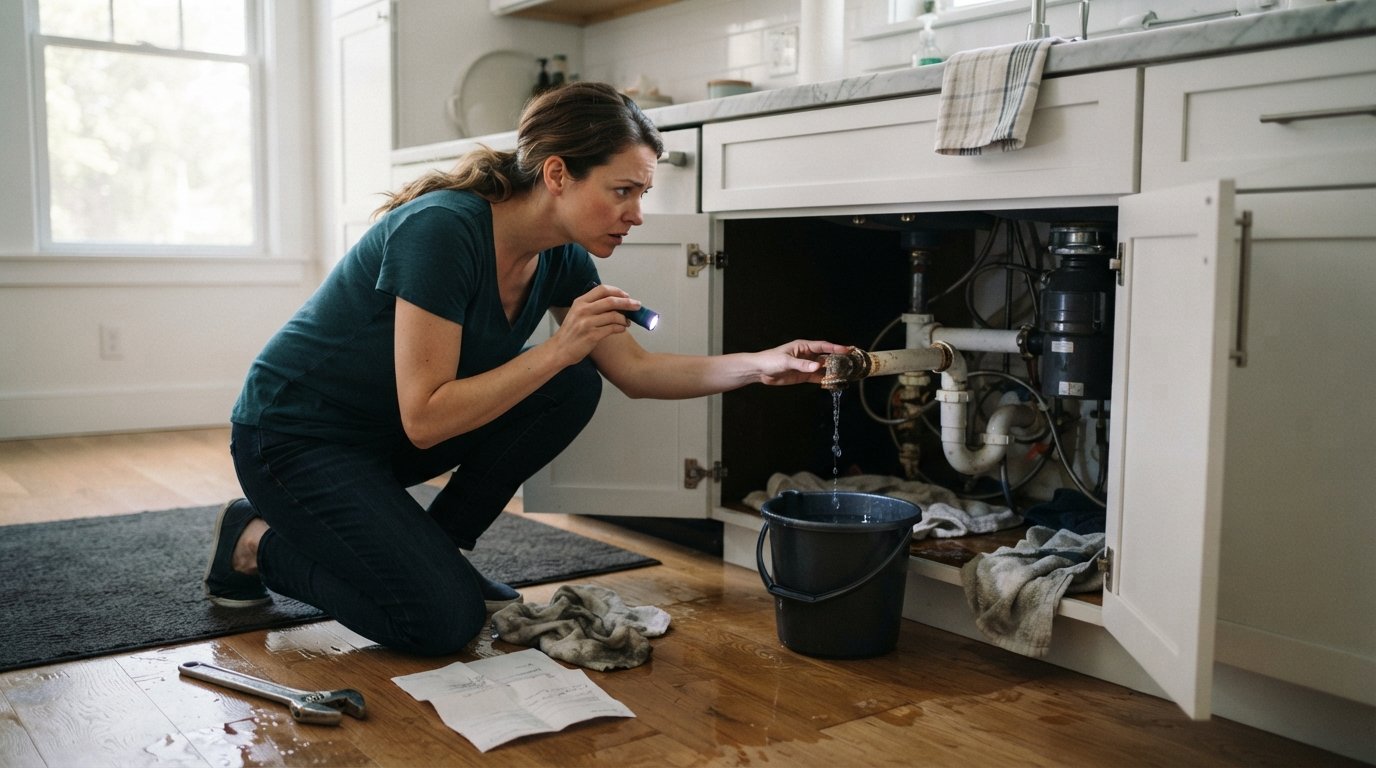
Water is pooling under your kitchen sink, or your water heater just gave out, and you need a fix today. The plumber's estimate is in the thousands, your emergency fund is thin, and the damage gets worse by the hour. This is exactly the moment when a loan can prevent a small leak from becoming a flooded floor and a mold problem. But borrowing under pressure is risky if you do not understand your options. This guide walks you through how to cover an urgent home plumbing repair with a loan, from estimating the true cost to choosing between a short-term advance and a personal loan, documenting the repair for insurance, and repaying without wrecking your other bills.
Estimate the Repair Cost Before You Borrow
The first step is getting a realistic number, not a guess. A burst pipe repair might run a few hundred dollars, while replacing a water heater or fixing a sewer line can climb into the thousands. Ask the plumber for a written estimate that separates parts, labor, and any emergency or after-hours fees. If the damage is already visible, request a scope of work that includes drying and mold prevention, because water damage often costs more than the pipe itself.
Once you have the estimate, decide whether to borrow the full amount or only part of it. Borrowing less reduces interest and fees, but underfunding the repair can leave you with a half-finished job and a second bill later. A practical rule is to borrow the full repair cost plus a small buffer (10 to 15 percent) for surprises, but not more. If you have some cash on hand, use it first and borrow only the gap. That keeps your loan smaller and easier to repay.
Do not forget to ask about payment terms. Some plumbers offer financing or accept credit cards, which may be cheaper than a short-term loan if you can pay the balance quickly. Compare the total cost of each option, including interest, fees, and any deferred-interest traps, before you commit to a loan.
Why Speed Matters and How Next-Business-Day Funding Works
Plumbing emergencies are time-sensitive. A slow leak can rot cabinets, warp floors, and create mold within days. Many homeowners cannot wait a week for a traditional bank loan to be approved and funded. That is why online loan connection services have become popular for urgent repairs. These services let you submit one request form and get matched with third-party lenders who may offer funding as soon as the next business day.
The process is usually simple: you fill out a short online form with basic information about yourself, your income, and the amount you need. The service then shares your request with lenders in its network. If a lender approves you, you review the terms and, if you accept, sign electronically. Funds are typically deposited directly into your bank account, sometimes within one business day. This speed is the main advantage for urgent plumbing repairs, where a delay of even a day can mean more damage.
Keep in mind that not every application gets approved, and approval is not guaranteed. Lenders look at income, banking history, and credit, and each lender sets its own criteria. Even with less-than-perfect credit, some lenders may still offer options, but the terms may be stricter. Always read the loan agreement carefully, including the annual percentage rate (APR), fees, and repayment schedule, before you accept.
If you want to explore fast funding options through a connection service, you can start with a free request at StartCashLoan, which helps U.S. consumers find short-term and payday loan options from third-party lenders. Remember that StartCashLoan is not a lender and does not make credit decisions; any loan terms come directly from the lender. The site also publishes plain-language guides on borrowing and budgeting, which can help you compare offers.
Compare a Short-Term Advance Against a Small Personal Loan
For a plumbing repair costing a few thousand dollars, you generally have two main borrowing paths: a short-term advance (such as a payday loan or cash advance) or a small personal loan (often an installment loan). Each has trade-offs, and the right choice depends on how quickly you can repay and how much you can afford each month.
A short-term advance is designed to be repaid quickly, usually by your next payday. It can be fast and easy to obtain, but the fees and interest can be high relative to the amount borrowed. If you cannot repay on time, the loan may roll over and incur additional charges, which can trap you in a cycle of debt. Short-term advances are best for small gaps that you are confident you can close within a few weeks.
A small personal loan or installment loan, by contrast, is repaid in fixed monthly installments over a set period, often several months to a few years. The total cost may be lower than a short-term advance if you qualify for a reasonable APR, and the predictable payments make budgeting easier. However, you may pay more interest over time, and approval can take a bit longer. For a repair of a few thousand dollars, an installment loan is often the more manageable option because it spreads the cost.
Here are the key factors to compare before choosing:
- Total cost: Add up all fees and interest, not just the monthly payment.
- Repayment timeline: Match the loan term to when you will realistically have the money.
- Monthly affordability: Ensure the payment fits your budget without crowding out rent, utilities, or groceries.
- Prepayment penalties: Check whether you can pay off early without extra fees.
- Credit impact: Understand how the lender reports payments and whether a hard credit check will occur.
If you are unsure which type fits, consider how long you need to repay. If you can clear the debt within one or two paychecks, a short-term advance might work. If you need more time, an installment loan is usually safer. Either way, avoid borrowing more than the repair costs, and never take a loan you cannot repay from your regular income.
Document the Repair for Insurance Reimbursement
If your homeowner's insurance covers the plumbing failure, you may be able to get reimbursed for part of the repair. To protect your claim, document everything from the start. Take photos and videos of the damage before any work begins, including the leak, the affected areas, and any ruined belongings. Keep all receipts, invoices, and the plumber's written estimate and final bill. Ask the plumber to note the cause of the failure (for example, a burst pipe or failed water heater) in the invoice, as insurers often require this.
Contact your insurance company as soon as possible to report the claim and ask what documentation they need. Some policies cover sudden and accidental water damage but not gradual leaks or maintenance issues, so read your policy or ask your agent. If the claim is approved, the reimbursement may take weeks or months, so you may still need a loan to cover the repair upfront. Keep your loan documents separate from your insurance claim, and use the reimbursement to pay down the loan as soon as it arrives.
Be careful not to borrow more than you need just because you expect insurance money later. Reimbursement is not guaranteed, and you do not want to be stuck with a larger loan if the claim is denied or reduced.
Repay the Loan Without Derailing Other Bills
The biggest risk of borrowing for an emergency repair is that the new loan payment strains your budget and causes you to fall behind on other obligations. Before you accept any loan, build a simple repayment plan. List your income and all fixed expenses, then see how much room you have for a loan payment. If the payment does not fit, consider a smaller loan, a longer term (if the total cost is still acceptable), or a different option.
Set up automatic payments if possible, so you do not miss a due date. Missing payments can damage your credit score and lead to late fees, which makes the debt more expensive. If you receive insurance reimbursement or a tax refund, use it to pay down the loan faster. Avoid taking on new debt while you are repaying this loan, and try to build a small emergency fund afterward so you are better prepared next time.
Finally, review the loan terms one more time before you sign. Confirm the APR, the total amount you will repay, the due dates, and any fees for late or missed payments. If something is unclear, ask the lender to explain it. A loan can be a useful tool for covering an urgent plumbing repair, but only if you understand the cost and have a realistic plan to repay it.
An urgent plumbing repair is stressful, but you have options. By estimating the cost, acting quickly, comparing loan types, documenting the damage, and planning repayment, you can cover the repair without turning a plumbing problem into a financial one.