Why Loan Offers Change After Approval: Clear Answers for Borrowers
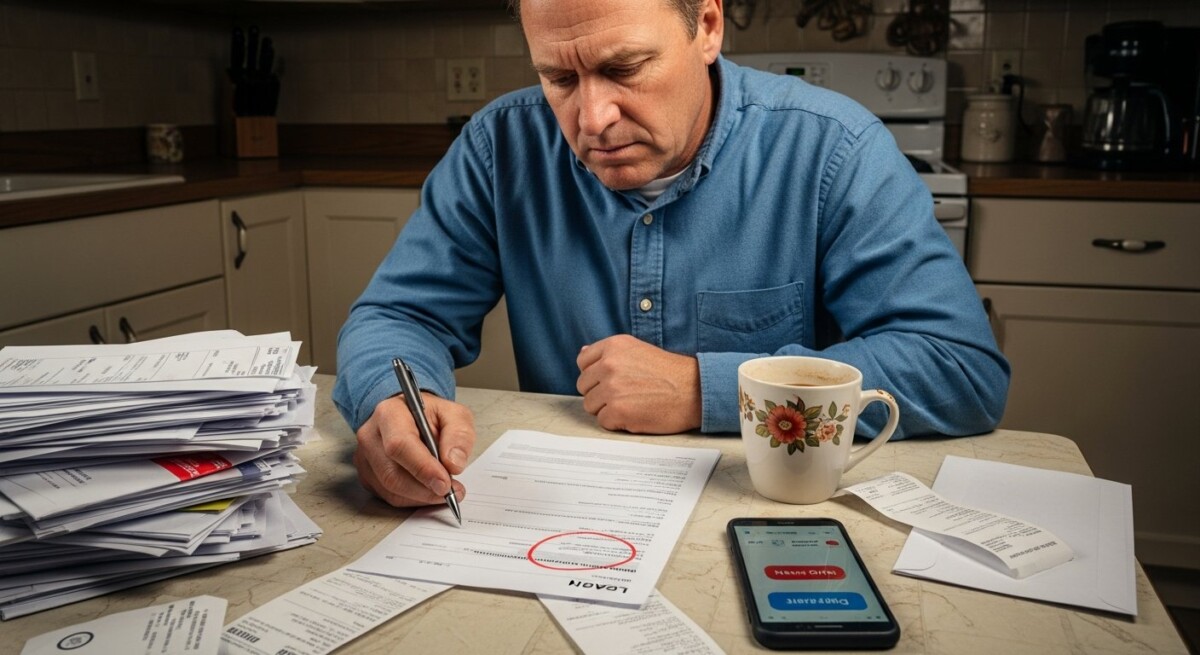

You finally find a loan offer that fits your budget. The rates look fair, the monthly payment works, and you feel relieved. Then, a few days later, the lender sends a new offer with different terms. The interest rate is higher, or the repayment period is shorter. You wonder what happened and why loan offers change after approval.
This situation happens more often than people realize, especially with short-term loans. Whether you are dealing with an urgent car repair, a medical bill, or a temporary cash shortage, understanding why offers shift can help you make better decisions. In our guide on why loan offers change after approval, we explain the key reasons behind these changes and how to navigate them.
When you face an unexpected expense, the last thing you want is confusion about your loan. Let’s break down the process in simple terms so you can move forward with confidence.
Understanding Why Loan Offers Change After Approval
A loan offer is not a final contract. When a lender says “approved,” it often means a preliminary approval based on the information you provided. The lender still needs to verify details like your income, employment, and credit history before issuing a final offer.
Short-term loans, such as payday loans or installment loans, are designed for quick funding. People consider them when they need cash fast,often within 24 hours. Because the process moves quickly, lenders may adjust terms after a deeper review of your financial situation.
For example, if your credit report shows a different score than what you expected, or if your income verification reveals a lower amount, the lender may revise the offer. This is not a trick; it is the lender managing risk. The final offer reflects the lender’s assessment of your ability to repay the loan.
What Triggers a Change in Loan Offers
Several factors can cause a loan offer to change after initial approval. The most common trigger is a change in your credit information. When a lender pulls your full credit report, they may see details that did not appear in the initial soft pull.
Another trigger is income verification. If you stated a monthly income of $4,000 but your pay stubs show $3,200, the lender may reduce the loan amount or increase the interest rate to match the lower repayment capacity.
When People Consider Short-Term Loans
Short-term loans are not for everyone, but they serve a real need for many people. You might consider one when an urgent expense arrives and you do not have savings to cover it. Life happens fast, and sometimes you need cash before your next paycheck.
Common situations where people turn to short-term loans include:
- Unexpected medical bills that cannot wait
- Urgent car repairs needed to get to work
- Home repairs like a broken water heater or roof leak
- Temporary cash shortages between paydays
- Emergency travel for a family situation
If you are exploring short-term loan options, comparing lenders can help you find the right solution. Request loan offers or call to review available options.
Common Types of Short-Term Loans
Not all short-term loans work the same way. Knowing the differences can help you choose the option that fits your situation best. Each type has its own repayment structure, cost, and approval process.
The most common types include:
- Payday loans: Small-dollar loans due on your next payday, usually between $100 and $500. They are fast but often carry high fees.
- Installment loans: Loans repaid in fixed monthly payments over a set period, such as three to six months. These can offer larger amounts and more predictable payments.
- Personal cash advances: Short-term funds drawn from a credit card or through an app. They are convenient but may include fees or high interest.
- Online short-term loans: Loans from digital lenders that offer quick applications and fast funding. Terms vary widely, so comparing offers is essential.
Each type has pros and cons. For example, payday loans are easy to get but can trap you in a cycle of debt if not repaid on time. Installment loans give you more time to repay but may require a credit check.
How the Loan Application Process Works
The loan application process is simpler than many people think. You start by submitting a request with basic information about yourself, your income, and how much you need. The lender then reviews your details and sends you an initial offer.
Here are the typical steps:
- Submit a loan request online or in person
- Provide income details such as pay stubs or bank statements
- Lender reviews your information and runs a credit check
- You receive a loan offer with terms and conditions
- If you accept, funds are deposited, often as soon as the next business day
Between step three and step four, the lender may adjust the offer based on what they find. This is why you might see a different interest rate or loan amount than what was initially quoted. In our article on can a loan quote change after approval, we walk through the specific reasons lenders revise offers.
Comparing multiple lenders can help you find loan terms that match your situation. Compare loan offers or call to explore available funding options.
Factors Lenders May Consider
Lenders do not pull numbers out of thin air. They use specific factors to decide your loan terms. Understanding these factors can help you prepare a stronger application and avoid surprises.
Key factors lenders review include:
- Income verification: Your monthly income determines how much you can afford to repay. Lenders may ask for pay stubs, tax returns, or bank statements.
- Employment status: Stable employment shows the lender you have a reliable income source. Self-employed borrowers may need to provide additional documentation.
- Credit history: Your credit score and report give lenders a picture of your past borrowing behavior. A lower score may lead to higher rates or a smaller loan.
- Repayment ability: Lenders calculate your debt-to-income ratio to see if you can handle another monthly payment. High existing debt may reduce your loan amount.
Each lender weighs these factors differently. That is why you may receive different offers from different lenders, even with the same financial profile.
Understanding Loan Costs and Terms
Loan costs can be confusing if you do not know what to look for. The main cost is the interest rate, which is the percentage you pay on top of the borrowed amount. Short-term loans often have higher interest rates than long-term loans because the repayment period is shorter.
Besides interest, you may encounter fees such as origination fees, late payment penalties, or prepayment penalties. An origination fee is charged when the loan is issued, while late penalties apply if you miss a payment. Some lenders also charge a fee if you pay off the loan early, so always read the fine print.
The repayment period is another important term. Short-term loans may require repayment in two weeks, one month, or several months. A shorter period means higher monthly payments but less total interest. A longer period lowers monthly payments but increases the total cost over time.
Loan terms can vary between lenders. Check available loan offers or call to review possible options.
Tips for Choosing the Right Loan Option
Choosing a loan is not just about getting approved. It is about finding terms you can actually manage. A loan that seems cheap upfront may become expensive if the terms change or if you miss a payment.
Follow these tips to choose wisely:
- Review repayment terms carefully: Look at the interest rate, fees, and repayment schedule before signing.
- Compare multiple lenders: Do not settle for the first offer. Different lenders may offer very different terms for the same loan amount.
- Borrow only what you need: Taking more than necessary increases your debt and monthly payments.
- Plan repayment ahead of time: Know how you will pay the loan back before you borrow. Set aside money in your budget.
- Ask questions: If something is unclear, call the lender and ask for clarification. A reputable lender will explain the terms.
By taking these steps, you reduce the risk of being surprised by a changed offer or hidden costs.
Responsible Borrowing and Financial Planning
Short-term loans can be a helpful tool when used responsibly. They are not a long-term solution, but they can bridge a gap when you need cash quickly. The key is to borrow with a plan and repay on time.
Before you borrow, look at your budget. Can you afford the monthly payment? Do you have other expenses that could interfere with repayment? If you are unsure, consider borrowing a smaller amount or waiting until you have more financial room.
Avoid borrowing to cover non-essential expenses or to pay off other debts. This can lead to a cycle of borrowing that becomes hard to escape. Instead, use short-term loans for genuine emergencies and pay them off as soon as possible.
Building an emergency fund, even a small one, can reduce your reliance on loans in the future. Start with a goal of $500 to $1,000. That cushion can cover many unexpected costs without the need to borrow.
Frequently Asked Questions
Why did my loan offer change after I was approved?
Loan offers often change because the lender performed a deeper review of your financial information. They may have found a different credit score, lower income, or higher debt than initially reported. This is standard practice and not a sign of unfair treatment.
Can a lender change the interest rate after approval?
Yes, a lender can change the interest rate after initial approval if they discover new information about your credit or income. However, they must inform you of the change before you sign the final agreement. You have the right to walk away if the new terms do not work for you.
What should I do if my loan offer changes?
First, read the new offer carefully. Compare it to the original offer and note the differences. If the terms are worse, consider applying with another lender. Use a comparison service to see multiple offers at once.
How can I prevent my loan offer from changing?
You cannot fully prevent changes, but you can reduce the chances by providing accurate and complete information on your application. Double-check your income, employment, and credit details. Be honest about your financial situation from the start.
Are there loans that guarantee the same offer after approval?
No lender can guarantee the exact same offer before a full review. However, some lenders offer pre-qualification tools that give you a better estimate. These are not final offers, but they are more reliable than initial quotes.
Does checking multiple lenders hurt my credit score?
Soft inquiries, which happen during initial loan comparisons, do not affect your credit score. Hard inquiries, which occur when you formally apply, may have a small temporary impact. Spread out your applications to minimize any effect.
What is the difference between pre-approval and final approval?
Pre-approval is a preliminary estimate based on basic information you provide. Final approval comes after the lender verifies your details through credit checks and income documentation. Final approval is the binding offer.
Can I negotiate a changed loan offer with the lender?
Yes, you can ask the lender if they can adjust the terms. Some lenders may offer a lower rate if you provide additional documentation, such as proof of a higher income or a co-signer. It never hurts to ask.
Understanding why loan offers change after approval helps you stay prepared. By comparing lenders, reviewing terms carefully, and borrowing responsibly, you can find a short-term loan that meets your needs without unnecessary stress. If you are ready to explore your options, start by reviewing offers from multiple lenders today.
For more details on how loan quotes can shift after approval, read our complete guide on can a loan quote change after approval: what to know.


About Miles Kensington
Related Posts