Can You Reject a Loan After Approval? Yes, Here Is What to Do
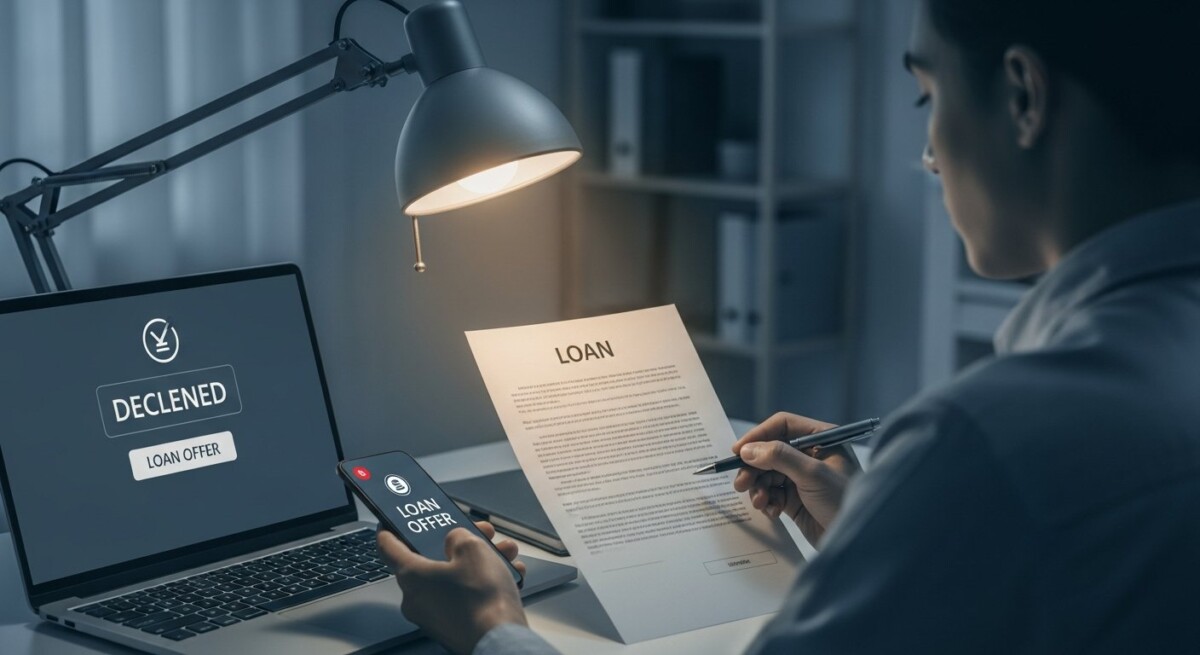

You finally got approved for a loan. The relief is real. But then you start reading the fine print. The interest rate seems higher than expected. The repayment term feels too short. Maybe you found a better offer from another lender. Now you are wondering: can you reject loan after approval? The short answer is yes. You are not obligated to accept a loan just because a lender approved your request. This article explains your rights, the steps you can take, and how to make the best decision for your financial situation.
Understanding Can You Reject Loan After Approval
When a lender approves your loan, they are offering you a contract. At this stage, you have not yet signed anything binding. You have the legal right to walk away. This applies to payday loans, personal loans, installment loans, and most other short-term borrowing options.
People often consider rejecting a loan after approval when they realize the terms do not match their needs. Common reasons include high interest rates, hidden fees, or a repayment schedule that feels unmanageable. Rejecting the loan simply means you decline the lender’s offer. You do not have to give a detailed explanation. A simple statement that you no longer want the loan is enough.
In our guide on can you reject loan after approval, we explain how this process works and what to watch out for. The key point is that approval is not a legal obligation. It is an invitation to borrow. You always have the final say.
When People Consider Short-Term Loans
Short-term loans are often a lifeline during urgent financial moments. You might face an unexpected car repair, a medical bill that cannot wait, or a temporary gap between paychecks. In these situations, quick access to cash can make a big difference.
However, urgency should not stop you from reviewing the loan terms carefully. Many borrowers accept the first offer without comparing other options. This can lead to higher costs and unnecessary stress later.
Common scenarios where people seek short-term loans include:
- Unexpected medical expenses or emergency room visits
- Urgent home repairs like a broken furnace or leaking roof
- Car repairs needed to get to work or school
- Temporary cash shortages before the next paycheck
- Unexpected bills like a utility shutoff notice
If you are exploring short-term loan options, comparing lenders can help you find the right solution. Request loan offers or call (555) 123-4567 to review available options.
Common Types of Short-Term Loans
Short-term loans come in several forms. Each type has its own features, costs, and repayment structures. Understanding the differences helps you choose the right fit.
Payday loans are small-dollar loans typically due on your next payday. They offer fast funding but often carry high interest rates. Installment loans allow you to repay the amount in fixed payments over several weeks or months. Personal cash advances work similarly but may have more flexible terms. Online short-term loans connect you with multiple lenders through one application.
Here are the most common types:
- Payday loans , Small amounts, short repayment period, high fees
- Installment loans , Larger amounts, fixed monthly payments, longer terms
- Personal cash advances , Quick cash, often tied to your income or bank account
- Online short-term loans , Convenient application, multiple lender offers
How the Loan Application Process Works
The loan application process is designed to be fast and simple. You start by submitting a request with basic personal and financial information. The lender reviews your details and decides whether to approve you.
If approved, you receive a loan offer that includes the amount, interest rate, repayment schedule, and any fees. You have the right to review this offer before accepting. You can also reject it if the terms are not favorable.
Typical steps in the process include:
- Submitting a loan request online or in person
- Providing income and employment details
- Lender review and approval decision
- Receiving loan offers with full terms
- Choosing to accept or reject the offer
- Receiving funds if you accept and sign the agreement
Comparing multiple lenders can help you find loan terms that match your situation. Compare loan offers or call (555) 123-4567 to explore available funding options.
Factors Lenders May Consider
Lenders evaluate several factors to decide whether to approve your loan. These factors help them assess your ability to repay the money on time. Understanding what lenders look at can help you prepare a stronger application.
Income verification is one of the most important factors. Lenders want to see that you have a steady source of income. Employment status also matters. A stable job history suggests reliable repayment. Credit history is another factor, though many short-term lenders work with borrowers who have less-than-perfect credit.
Key factors lenders may review include:
- Income amount and source
- Employment status and stability
- Credit score and credit history
- Debt-to-income ratio
- Ability to repay the loan on time
Understanding Loan Costs and Terms
Loan costs go beyond the interest rate. You also need to consider fees, repayment periods, and penalties for late payments. These details are listed in the loan agreement. Reading them carefully can save you money and stress.
Interest rates on short-term loans are typically higher than traditional bank loans. This is because lenders take on more risk. Repayment periods vary from a few weeks to several months. Some lenders charge origination fees, late payment fees, or prepayment penalties. Prepayment penalties mean you pay extra if you repay the loan early.
Always ask for a full breakdown of costs before signing. If anything is unclear, ask the lender to explain. You can also reject the loan and look for better terms elsewhere.
Loan terms can vary between lenders. Check available loan offers or call (555) 123-4567 to review possible options.
Tips for Choosing the Right Loan Option
Choosing the right loan starts with knowing your needs and limits. Borrow only what you need. Plan how you will repay the loan on time. Compare offers from multiple lenders to find the best rate and terms.
Practical tips for borrowers include:
- Review repayment terms carefully before accepting
- Compare interest rates and fees from at least three lenders
- Borrow only the amount you truly need
- Plan your repayment schedule and budget for it
- Ask about any hidden fees or penalties
- Read the loan agreement word for word
Responsible Borrowing and Financial Planning
Responsible borrowing means using loans as a tool, not a crutch. Short-term loans can help during emergencies, but they should not become a regular habit. Building a budget and an emergency fund can reduce your need for borrowing.
Before you borrow, ask yourself if the expense is truly urgent. Can you delay it until you save enough? Is there a cheaper alternative? If you do borrow, make sure the repayment fits comfortably into your monthly budget. Missing payments can lead to additional fees and damage your credit score.
Planning ahead helps you avoid unnecessary debt. Start by tracking your income and expenses. Set aside a small amount each month for unexpected costs. Over time, this savings cushion can reduce your reliance on loans.
Frequently Asked Questions
Can I reject a loan after approval without penalty?
Yes, you can reject a loan after approval without any penalty, as long as you have not signed the final agreement. Approval is just an offer. You are free to decline it. However, check the lender’s terms to confirm there are no hidden fees for backing out.
What happens if I reject a loan after signing the contract?
If you have already signed the contract, you are legally bound to the loan terms. Rejecting it after signing may result in penalties or legal action. Always review the contract thoroughly before signing. If you change your mind later, contact the lender immediately to discuss your options.
Will rejecting a loan affect my credit score?
Rejecting a loan offer does not directly affect your credit score. However, the initial credit check that the lender performed may have a small, temporary impact. This impact is usually minor and fades within a few months.
How long do I have to accept a loan offer after approval?
The time frame varies by lender. Some offers expire within 24 hours, while others remain valid for several days. Read the offer details carefully. If you need more time, contact the lender and ask for an extension.
Can I negotiate the terms of a loan after approval?
In some cases, you can negotiate terms such as the interest rate or repayment period. This is more common with larger personal loans. For short-term loans, lenders often have fixed terms. It never hurts to ask. If the lender refuses, you can reject the offer and look elsewhere.
What should I do if I feel pressured to accept a loan?
If you feel pressured, step back and take your time. You have the right to say no. A reputable lender will respect your decision. If a lender uses high-pressure tactics, consider it a red flag. Look for a lender that communicates clearly and respectfully.
Can I reject a loan after receiving the funds?
Once you receive the funds, you have accepted the loan. Rejecting it at this stage typically means you must repay the full amount plus any interest and fees. Some states have a right of rescission that allows you to cancel within a short period. Check your state laws and the loan agreement for details.
Is it better to reject a loan or just not use the money?
If you reject the loan before signing, you have no obligation. If you accept the loan but do not use the money, you still owe the full repayment. Rejecting before signing is always the cleaner option. If you already accepted, contact the lender to discuss early repayment options.
Review your loan options carefully. Compare lenders before choosing a financial solution. The right loan can help you through a tough moment. The wrong one can create more problems. Take your time, ask questions, and choose what works best for you.


About Miles Kensington
Related Posts