
What Happens If I Default on a Payday Loan in My State?
Defaulting on a payday loan in your state can lead to lawsuits, wage garnishment, and credit damage. Learn your rights and steps to take now.

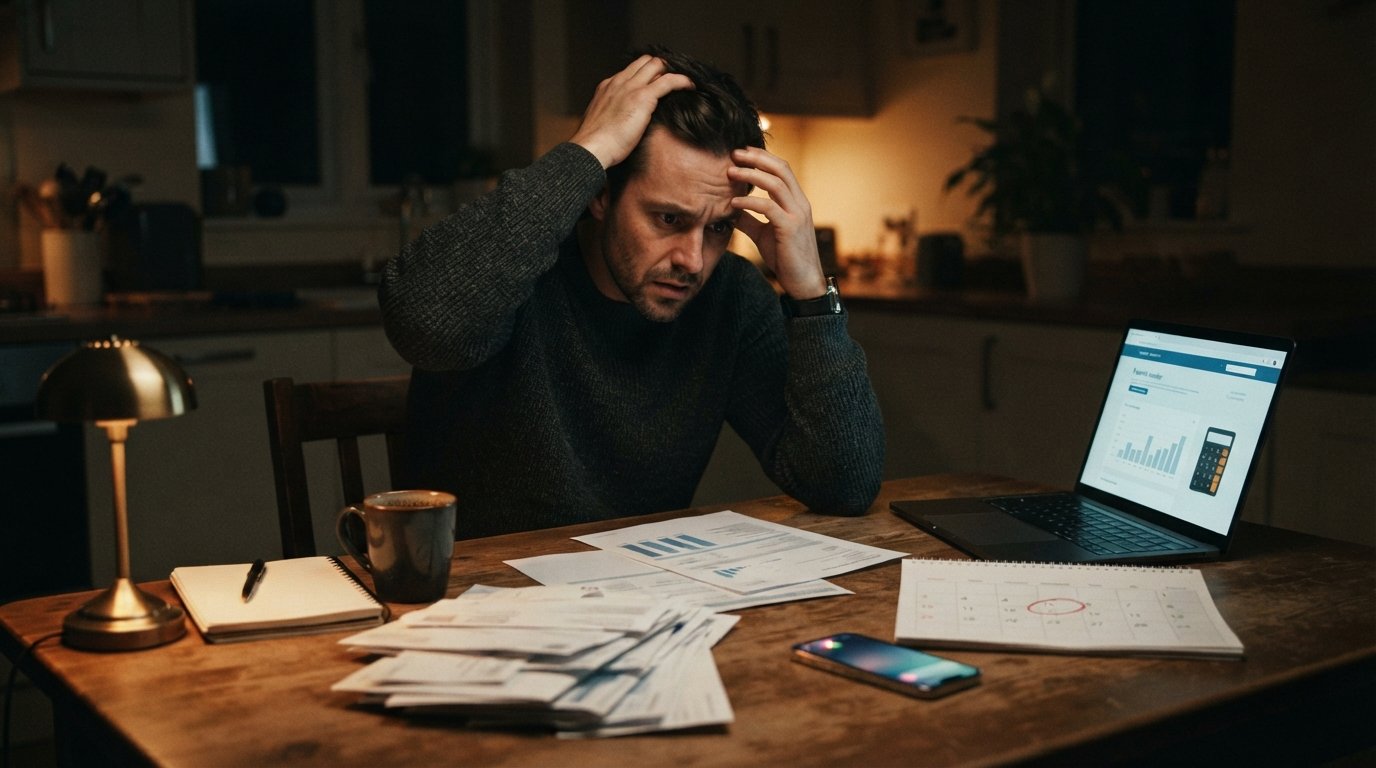
Missing a payday loan payment can feel like a sudden drop in a roller coaster: your stomach lurches, and you are not sure what comes next. The truth is that the consequences of default vary dramatically depending on where you live, how much you owe, and how quickly you act. In some states, a defaulted payday loan can lead to wage garnishment and a court judgment; in others, the lender has almost no legal recourse beyond phone calls and credit reporting. Understanding the rules in your state is the first step toward protecting yourself and making a plan.
Default vs. Missed Payment: When Does a Payday Loan Become a Default?
A missed payment is exactly what it sounds like: you fail to pay the amount due on the due date. A default, on the other hand, is a broader status that typically occurs when you fail to make payments for a specified period, often 30 to 60 days, or when the lender formally declares the loan in default according to the loan agreement. For payday loans, which are usually due in full on your next payday, the line between a missed payment and a default can be blurry. Many lenders consider the loan in default the day after the due date if no payment arrangement has been made.
Once a payday loan is in default, the lender may escalate collection efforts. This can include additional fees (where allowed by state law), repeated phone calls, and reporting the delinquency to credit bureaus. In some states, the lender may also pursue legal action. The key takeaway is that default is not a single event but a process that unfolds over weeks or months, and the sooner you intervene, the more options you have.
How Your State's Payday Loan Laws Shape the Consequences
Payday lending is regulated at the state level, and the rules vary widely. Some states have strict caps on fees and interest, while others allow triple-digit APRs. More importantly for default, states differ in what lenders can do to collect. For example, some states prohibit wage garnishment for payday loan debt, while others permit it after a court judgment. Some states require lenders to offer extended payment plans if you cannot repay on time; others do not.
To understand your rights, you need to know whether your state licenses payday lenders, what the maximum loan amount and fee are, and what collection methods are allowed. A good starting point is our payday loan laws by state guide, which breaks down the key rules for each state. Knowing these details can help you anticipate what a lender can and cannot do if you default.
For instance, in states like New York, payday loans are effectively banned due to usury caps, so any online lender offering them is operating illegally and may not be able to enforce the debt in court. In states like Texas, payday loans are widely available, but collectors must follow specific rules for wage garnishment and lawsuits. These differences mean that a default in one state might result in a few phone calls, while in another it could lead to a frozen bank account.
Collection Practices: What Lenders and Collectors Can Do
When a payday loan defaults, the lender or its collection agency will typically start with internal collection efforts. This means phone calls, emails, and letters reminding you of the debt. Federal law, specifically the Fair Debt Collection Practices Act (FDCPA), limits how and when collectors can contact you. They cannot call before 8 a.m. or after 9 p.m., cannot call you at work if you tell them not to, and cannot use abusive language or threats. However, the FDCPA applies to third-party collectors, not the original lender, although many states have their own laws that extend similar protections.
If internal collections fail, the lender may sell the debt to a debt buyer or hire a collection agency. At this point, the collector may report the delinquency to credit bureaus, which can damage your credit score. They may also file a lawsuit. Whether they can garnish your wages or levy your bank account depends on your state's laws and whether they obtain a court judgment.
Here are the typical escalation steps a payday lender might take:
- Late fees and reminders: Within days of the due date, the lender may assess a late fee (if allowed) and begin calling or texting you.
- Credit reporting: After 30 days past due, the lender may report the delinquency to Equifax, Experian, or TransUnion.
- Collection agency: If the debt remains unpaid after 60 to 90 days, the lender may turn it over to a third-party collector.
- Legal action: If the amount is significant and the lender believes it can collect, it may sue you. If the court awards a judgment, the lender may then seek wage garnishment or bank account levy, subject to state exemptions.
It is important to note that not all lenders will pursue legal action, especially for small amounts, because the cost of litigation may exceed the debt. However, some lenders, particularly online lenders, may be more aggressive. Knowing your state's rules on wage garnishment and judgments can help you assess the risk.
Wage Garnishment and Court Judgments by State
Wage garnishment is a legal process where a portion of your paycheck is withheld to satisfy a debt. For payday loans, garnishment is usually only possible after the lender obtains a court judgment. However, some states allow garnishment for certain types of debt without a judgment, but payday loans are rarely in that category. The amount that can be garnished is also limited by federal law: generally, up to 25% of your disposable earnings or the amount by which your weekly income exceeds 30 times the federal minimum wage, whichever is less.
State laws add another layer. Some states, like Pennsylvania and North Carolina, prohibit wage garnishment for most consumer debts, including payday loans. Others, like Texas, allow it only for certain obligations like child support or taxes. In states where garnishment is permitted, you may be able to claim exemptions for necessities. If you are sued, it is critical to respond to the lawsuit; ignoring it can result in a default judgment against you.
Court judgments also appear on your credit report and can haunt you for years. In many states, a judgment is valid for 7 to 10 years and can be renewed. It can also accrue interest. If you receive a summons, do not ignore it. Seek legal advice or contact the court to understand your options. In some cases, you may be able to negotiate a settlement with the lender before the judgment is entered.
How Default Affects Your Credit Report and Score
A payday loan default can have a significant negative impact on your credit score. Payday lenders often report to credit bureaus, especially if the loan is not repaid. A delinquency is typically reported after 30 days past due, and a default may be reported as a charge-off after 180 days. These negative marks can stay on your credit report for up to seven years, making it harder to obtain credit, rent an apartment, or even get a job.
The exact impact depends on your overall credit profile. If you have a good credit score, a single delinquency may drop it by 50 to 100 points. If you already have poor credit, the impact may be less severe in terms of points but still adds another negative item. Moreover, payday loans themselves are often viewed negatively by lenders, even when paid on time, so a default compounds the problem.
It is worth noting that not all payday lenders report to credit bureaus. Some only report to specialty consumer reporting agencies like Clarity Services or Teletrack, which are used by lenders but not by mainstream creditors. However, these reports can still affect your ability to get future loans. If you are concerned about your credit, you can check your reports for free at AnnualCreditReport.com and dispute any inaccuracies.
Steps to Take the Moment You Realize You Cannot Repay
The worst thing you can do when facing a payday loan default is to do nothing. Ignoring the problem will not make it go away; it will only escalate. Instead, take proactive steps as soon as you realize you cannot repay on time. Here is a framework to follow:
- Contact the lender immediately: Before the due date, call the lender and explain your situation. Ask if they offer an extended payment plan or a rollover (where allowed). Some states require lenders to offer a repayment plan if you request it. Even if they do not, showing good faith may buy you time and reduce the chance of aggressive collection.
- Document everything: Keep a record of all communications, including dates, times, and the names of people you speak with. If you agree to a payment plan, get it in writing. This documentation can protect you if disputes arise.
- Review your state's laws: Understand what the lender can and cannot do. For example, if your state prohibits wage garnishment for payday loans, you can inform the collector of that fact. Knowing your rights can help you negotiate from a position of strength.
- Consider a debt management plan: If you have multiple payday loans or other debts, a nonprofit credit counseling agency may be able to help you set up a debt management plan. They can negotiate with creditors on your behalf and help you create a budget.
- Explore alternatives: If you need cash to repay the loan, consider other options before taking on more debt. For example, you might borrow from a friend or family member, sell unused items, or ask for a payment extension on other bills. If you must borrow, compare offers from multiple lenders to find the lowest APR and fees. StartPaydayLoan is a free online connection service that can match you with lenders, but remember that it is not a lender itself and does not guarantee approval.
By acting quickly, you may be able to avoid the worst consequences of default, such as a lawsuit or garnishment. Even if you cannot avoid default entirely, communicating with the lender can often reduce the intensity of collection efforts.
Why Contacting the Lender Before the Due Date Matters
Many borrowers wait until after the due date to contact the lender, often out of embarrassment or fear. But reaching out before the due date can make a significant difference. Lenders are more willing to work with borrowers who communicate proactively. They may offer a one-time extension, a payment plan, or even waive late fees. In some states, lenders are required to offer a repayment plan if you ask for one before default.
On the other hand, if you wait until after default, the lender may have already reported the delinquency to credit bureaus or sent the account to collections. At that point, your options are more limited. Even if you eventually pay, the negative mark on your credit report will remain for years. Therefore, the moment you realize you cannot repay, pick up the phone and call the lender. It is a simple step that can save you a lot of trouble.
Protecting Yourself from Payday Loan Default
The best way to deal with a payday loan default is to avoid it in the first place. Before taking out a payday loan, consider whether you can repay it on time. Payday loans are designed to be short-term, and rolling them over can lead to a cycle of debt. If you need cash for an emergency, explore alternatives such as a personal loan from a credit union, a credit card cash advance, or borrowing from friends and family. If you do take out a payday loan, borrow only what you can afford to repay and have a plan for repayment.
If you are already in default, remember that you have rights. Collectors cannot harass you, and they cannot take certain actions without a court order. Know your state's laws, keep records, and consider seeking help from a nonprofit credit counselor. With the right information and proactive steps, you can navigate a payday loan default and work toward financial recovery.
Finally, be cautious of any company that promises to erase your debt or fix your credit instantly. These are often scams. Legitimate help exists, but it requires effort and time. By staying informed and acting responsibly, you can protect yourself and your finances.