
Pet Emergency Vet Bill Loan Options: Fast Funding Guide
Compare pet emergency vet bill loan options and find fast funding for urgent care. Call 8335013363 to explore your options today.

By Irene Young
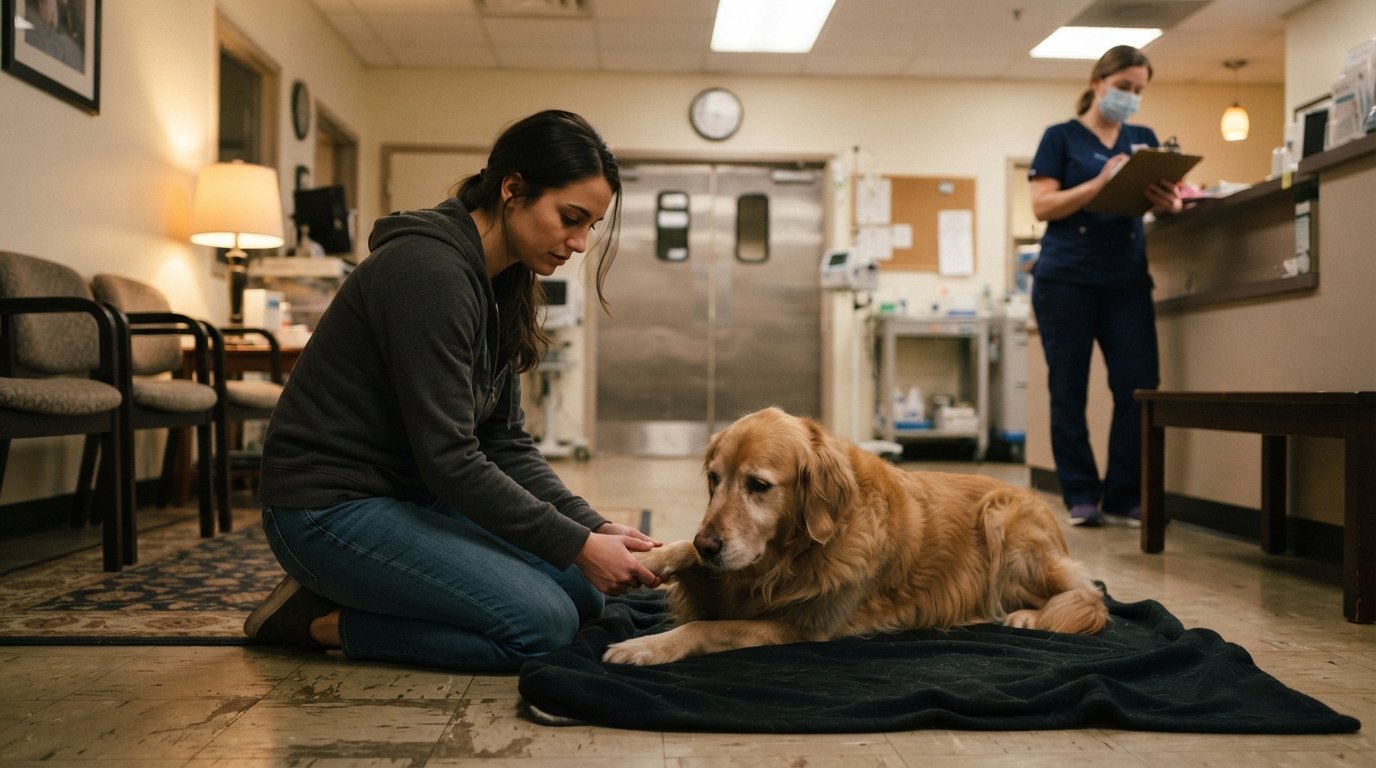
Your dog swallows a sock at 11 p.m. Your cat stops eating and hides under the bed. The emergency clinic quotes a bill that runs into four figures before treatment even begins. In that moment, you are not thinking about interest rates or credit scores. You are thinking about your pet. This guide explains how pet emergency vet bill loan options work, which funding path fits your situation, and how to move from panic to a funded plan without wasting the critical hours when your animal needs care.
Why Emergency Vet Bills Catch Owners Off Guard
Routine veterinary care is predictable. Vaccines, annual exams, and dental cleanings can be budgeted months in advance. Emergencies are different. A blocked urethra in a male cat, a torn cruciate ligament in a Labrador, or a suspected toxin ingestion can require surgery, hospitalization, and round-the-clock monitoring. Emergency clinics also charge more than general practices because they staff overnight, run advanced diagnostics on demand, and maintain surgical suites that are always ready.
The result is a financial shock that arrives at the worst possible time. According to industry surveys, a single emergency visit with surgery commonly lands between $1,500 and $6,000, and complex cases involving specialists or multiple nights of hospitalization can climb well past that. Most owners do not have a dedicated pet emergency fund, and traditional banks are closed when the crisis happens. That is why so many people search for pet emergency vet bill loan options while sitting in a clinic waiting room at 2 a.m.
The good news is that the funding landscape has expanded. You now have several paths, each with different speed, cost, and eligibility requirements. The key is understanding which one matches your credit profile, your income situation, and how quickly the clinic needs payment.
How Pet Emergency Vet Bill Loan Options Compare
Not every funding source works for every owner. Some require good credit. Some fund in minutes. Some only work if the clinic accepts a payment plan. Before you apply anywhere, it helps to see the full menu side by side so you can rule out options that will not realistically help.
Here are the main categories you will encounter when researching loan options explained for urgent pet care:
- Personal installment loans: Borrow a fixed amount, repay in monthly installments over 6 to 60 months. Amounts typically start near $1,000 and can go much higher, which makes them a common fit for surgery bills.
- Payday and short-term cash advances: Smaller amounts ($100 to $1,000) due by your next payday. Useful for smaller emergency visits or stabilization fees, but expensive if rolled over.
- Vet-specific medical financing: Third-party payment plans offered through clinics, sometimes with promotional 0% periods if you qualify.
- Credit cards: Fast if you have available credit, but interest rates are often steep and a large vet bill can push your utilization high.
- Pet insurance reimbursement: Not a loan, but it can pay you back after the fact if you have an active policy and can float the initial cost.
Each of these has trade-offs. A payday loan might fund the same day but cost far more per dollar borrowed than an installment loan. A credit card is convenient but can damage your credit score if the balance pushes your utilization above 30%. Vet-specific financing is attractive but depends on whether your clinic participates and whether your credit qualifies for the promotional terms. The smartest approach is to compare multiple offers before committing, which is exactly what a connection service like CashLoanFunded is built to do by matching one request with a network of lenders.
One more comparison point that owners often overlook: speed of disbursement. Some lenders deposit funds within one business day, while others take three to five days. If your vet needs payment before surgery begins, a slow approval is almost as bad as a denial. Always confirm the funding timeline before you sign anything.
Which Funding Path Fits Your Situation
Choosing the right option is less about finding the single best product and more about matching the product to your constraints. Ask yourself four questions: How much do I need? How fast do I need it? What does my credit look like? Can I repay this comfortably over the next few months?
If your credit is fair or poor, do not assume you are out of options. Many lenders in the short-term and installment space work specifically with borrowers who have less-than-perfect credit, provided there is a stable source of income. That income can come from a job, self-employment, disability payments, a pension, or government assistance. The lender is evaluating your ability to repay, not just your past credit history.
If you have good credit, your best move is usually to compare personal loan offers from several lenders. A personal loan with a fixed rate and fixed term gives you predictable payments and often a much lower cost than revolving credit. If you have a credit card with a promotional 0% APR period, that can also work, but you need a clear payoff plan before the promotion ends.
If the bill is smaller, say a few hundred dollars for diagnostics and medication, a short-term cash advance may be enough. If the bill is several thousand dollars for surgery, an installment loan spread over 12 to 36 months is usually more manageable. Matching the loan size and term to the actual bill is one of the most important decisions you will make.
Step-by-Step: Getting Funded Quickly
When your pet is in the back being examined, you do not have time to research for hours. Follow a simple sequence so you can move efficiently and avoid applying in a way that damages your credit.
- Ask the clinic for a written estimate. Get the low and high end of the cost, and ask whether a deposit is required before treatment starts. Some clinics require partial payment upfront and the balance at discharge.
- Ask about in-house payment plans. Before you borrow, find out if the clinic offers its own installment arrangement. Many do, and it may be cheaper than any outside loan.
- Check your existing resources. Review credit card available credit, savings, and whether family can help bridge part of the bill. Combining sources can reduce how much you need to borrow.
- Submit one request to compare offers. Instead of applying to lender after lender and triggering multiple hard inquiries, use a single connection form that returns multiple quotes.
- Review terms carefully and accept the best fit. Look at the APR, the total repayment amount, the monthly payment, and whether there are prepayment penalties.
That fourth step is where most people lose time. Applying individually to five lenders can mean five separate credit pulls and a confusing pile of offers. A comparison service simplifies this by routing one request to a network of lending partners. You can submit a request for a cash advance or personal loan and get linked with third-party lenders in the network, often within minutes, with no obligation to accept any offer.
Once you accept an offer, read the loan agreement before signing. Confirm the due dates, the total cost of credit, and what happens if you pay late. If anything is unclear, ask the lender directly. A legitimate lender will answer questions without pressure.
What to Watch Out For
Urgency creates vulnerability, and there are bad actors who target people in exactly this situation. Protect yourself by watching for a few warning signs. A legitimate lender will never demand an upfront fee before disbursing funds. It will never ask for gift card payments or cryptocurrency. It will disclose the APR and all fees in writing before you sign.
Also be realistic about repayment. Short-term loans and installment loans are real debt with real consequences. Missing a payment can add late fees and damage your credit score, which makes future borrowing harder and more expensive. Before you accept any offer, run the monthly payment through your budget. If the payment would leave you unable to cover rent or groceries, the loan is too large or the term is too short.
Finally, think about prevention while you are in a calm moment. A small emergency fund set aside specifically for pet care, even $20 a week, can turn the next crisis into an inconvenience instead of a financial emergency. Pet insurance is another option worth pricing, though it reimburses rather than pays upfront, so you still need a way to cover the initial bill.
Building a Plan Before the Next Emergency
Once the current crisis passes, take an hour to prepare for the next one. Save your clinic's emergency phone number and confirm which payment methods they accept. Keep a list of your available credit, savings, and any family members who could help. Consider opening a dedicated pet savings account and automating a small transfer each payday.
It also helps to know your borrowing options before you need them. Understanding how personal loans, installment loans, and short-term advances differ means you can make a fast decision under pressure instead of learning the terminology in a waiting room. If you have less-than-perfect credit, knowing in advance which lenders work with your profile removes one more source of stress.
Emergencies will happen. What you control is how prepared you are when they do. With the right combination of savings, insurance, and a clear understanding of your loan options, you can focus on what actually matters: getting your pet the care they need.